LiquidFloors

February 16, 2010

Polished Concrete, Environmental benefits for your company

Filed under: Liquid Floor Systems, Polished Concrete — admin @ 2:10 pm

Reducing your environmental foot print should be a major goal for every company. In the concrete flooring industry, using polished concrete as a clean industrial floor finish, is one of the most sustainable choices presented. Concrete is used in almost every aspect of construction, and merely polishing that slab of concrete can reduce cost and provide more efficiency. By choosing polished concrete it would eliminate any further disposal of materials, and reduce the environmental foot print for your company. There is little waste in polished concrete, and it provides an efficient and low cost industrial floor solution. This creates solid concrete environmental benefits for your company.

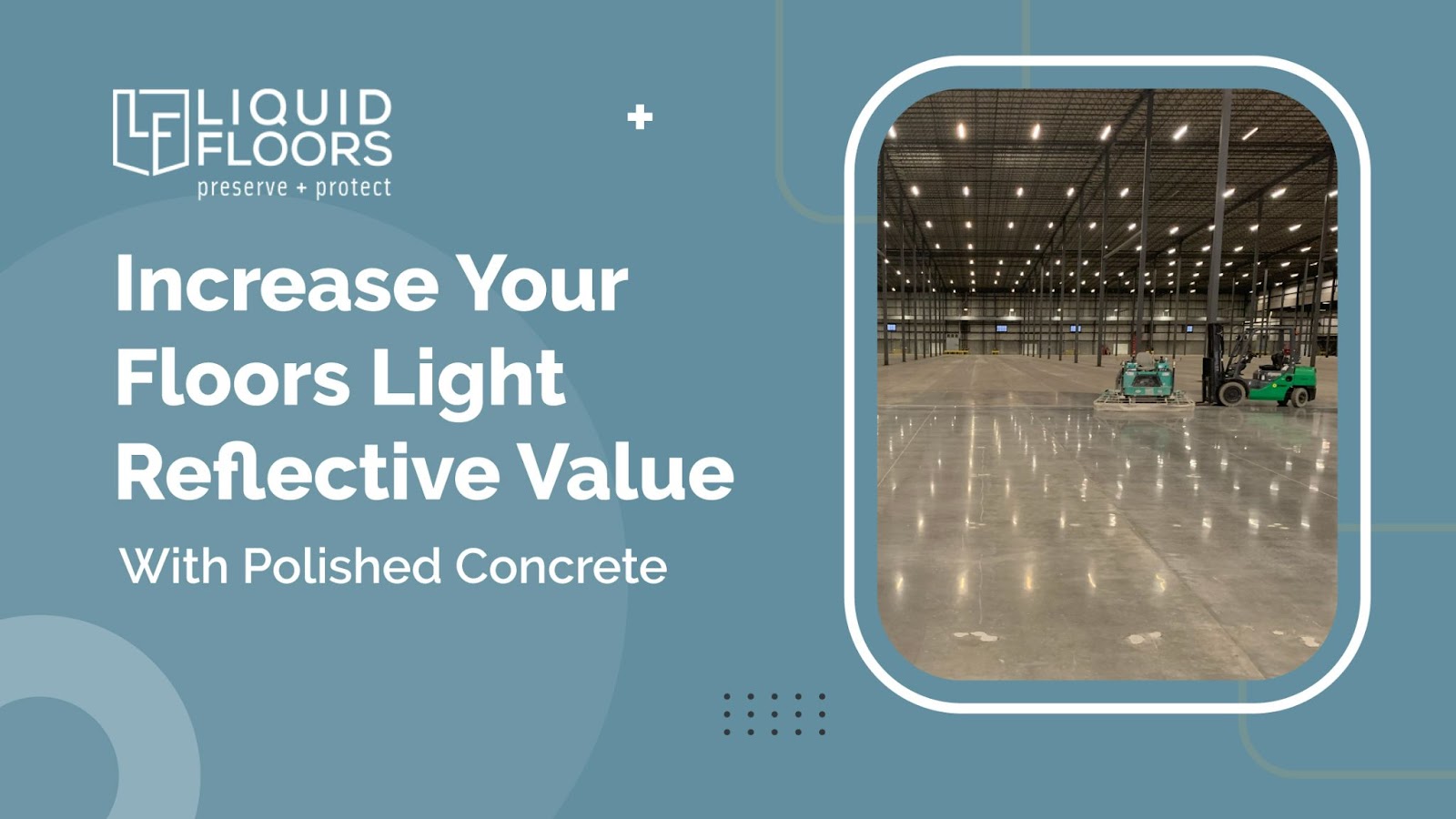
Not only are you reducing waste and cost, there is also a beautiful aesthetic look to polished concrete. After being polished, there is a natural shine to your industrial floor, which creates a magnificent illumination to your industrial floor. This will help maximize your natural light in the area, and improve energy efficiency.

The concept of polished concrete as a green product is pure genius. It creates a small concrete environmental footprint for your company. There is very little wasted, and you are using what is already present. Re-polishing your concrete industrial floor is a better environmental solution, as an alternative to tile, carpet, or any other floor material. Because, you are using what is already there, cutting down on waste, and reducing your effect on the earth’s limited resources. Begin a concrete environmental life for your company today!

January 26, 2010

Polished Concrete Floor vs. a Floor Coated Epoxy- Which is better for your industrial floor?

Filed under: Liquid Floor Systems, Polished Concrete — admin @ 1:52 pm

Choosing an industrial floor can be one of the most important decisions to make. Your company must factor in: cost, durability, environmental factors, and aesthetics. Through our experience we have found that floor coated epoxy and polished concrete are by far the best solutions for your industrial floor. These two approaches are efficient, low in cost, and make for a great looking floor. Which industrial flooring approach best fits your company?

Epoxy Coating:

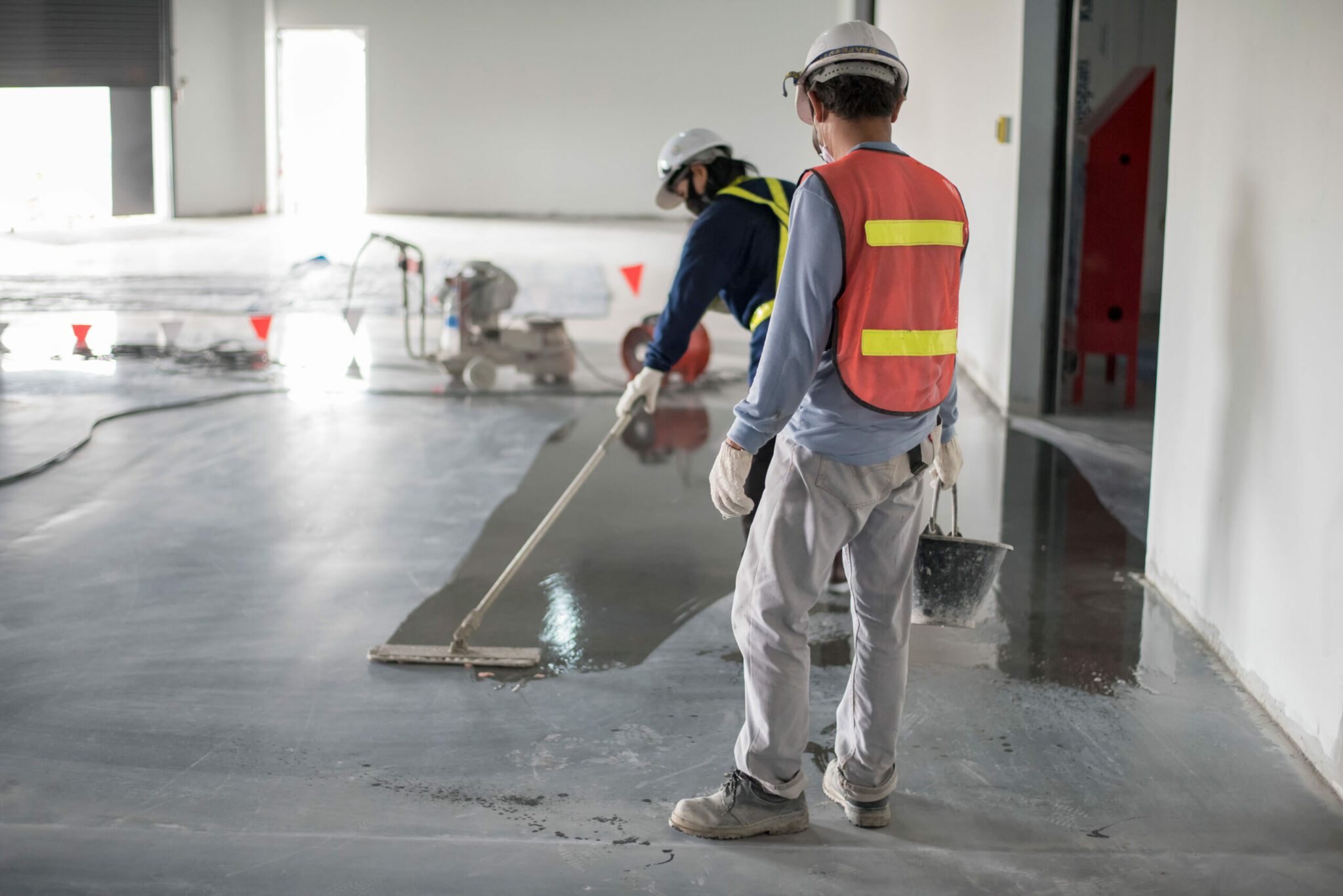
In this video you see an epoxy coating applied to the floor

A floor coated epoxy is a very popular method for industrial flooring. It is formed from two different chemicals, a resin and a hardener. When the two compounds are mixed together, they form a chemical bond. The result is a strong quality floor coated epoxy. There are many strengths and benefits to selecting a floor coated epoxy:

•    Protect from chemical spills
•    Increase light reflectivity by 300%
•    Prevents slipping
•    Enhances durability of floor
•    Bonds easily with cement or concrete
•    Water resistant
•    Conceals old breaks or cracks

Polished Concrete:

In this video you see the process of polishing concrete

A polished concrete floor provides a low cost and environmentally friendly solution to your industrial flooring needs. Heavy-duty polishing machines grind down concrete surfaces to create a smooth shine. There are many strengths and benefits to selecting a polished concrete floor:

•    Eliminates further waste
•    Reduces environmental foot print for your company
•    Leaves a clean and smooth surface, and nothing to scratch or peel
•    Increases light reflectivity by 100%
•    Densifies and hardens the concrete up to 40%
•    Polishing improves floor flatness

Conclusion:
Though, the two sciences contrast in many ways, a floor coated epoxy and a polished concrete floor is comparable, and both are low in cost. Each approach has great benefits and attributes. Which ever approach you choose, they will be the best solution for your industrial flooring needs. In the end, they both create a quality, smooth, and durable industrial floor for years and years.

December 14, 2009

Epoxy Floor Coating- All you want to know about Epoxy Floor Coating

Filed under: Epoxy Coating — admin @ 6:45 pm

If you are investing in a new industrial building, chances are, you are going to have a concrete floor, and you likely want to protect it so it stands the test of time. For this reason, you might be looking to purchase some sort of a floor coating and have probably come across the option of Epoxy floor coating.

To help you in your decision-making process, this blog post is dedicated to talking about what’s in Epoxy Floor Coating, including options available and whether or not it’s the right floor coating for you.

What’s in Epoxy Floor Coating?
To give you a quick chemistry break-down, epoxy contains 2 main elements, a resin which creates a professional-looking coating, and a hardener to ensure that great coating is solid and will stand the test of time. If you are a real chemistry geek, we recommend you take a look at this epoxy article on Wikipeida- it will tell you all about the chemical reaction, as well as give you a chemistry fair-worthy drawing of an epoxy molecule. http://en.wikipedia.org/wiki/Epoxy

For those whose first love is not science, here is a summary of what’s in Epoxy floor coating.

(1)    Petroleum based resins
(2)    A 2-Part Activated Chemical Reaction for Curing
(3)    Hardeners designed to either speed-up or slow-down cure time
(4)    Chemicals which increase or decrease UV stability and Chemical Resistance

Are there different Epoxy Floor Coating options?

This is America, so there are always product options. Three industry-standard options to consider when getting an epoxy floor coating are:

Epoxy Floor Coating, Option 1: Film Coating: 10-20 mils thick – This is a very common choice for epoxy coating, and is a great option in lightly used areas, such as hallways and reception areas. As the lightest option for epoxy coating, film coating is a great way to get a professional look in areas where there isn’t a lot of heavy equipment or chemical spills.

Epoxy Floor Coating, Option 2: Slurry Systems 60 – 125 mils thick- Slurry Systems are a great intermediary choice for areas that take more of a beating than hallways, but aren’t going to be subjected to caustic chemical spills on a regular basis. They look great and provide protection from abrasion and mild chemicals. Common industrial applications for slurry systems include manufacturing plants, commercial kitchens, locker rooms, restrooms, etc.

Epoxy Floor Coating, Option 3: Trowel down resurface 125 – ¼” thick – This is the thickest application of epoxy, and is probably the best option for you if there is going to be a lot of wear-and-tear on your flooring. For example, in areas where there are frequent chemical spills, trowel down resurface is probably the best epoxy floor coating option for you. Trowel down resurfacing should also be considered if you are looking to coat old or worn concrete. Common companies that need trowel down resurfacing including laboratories, mechanical hangers that have regular oil spills, and any industry where strong chemicals are used on a regular basis.

Want to see what Epoxy Floor Coating Looks Like?

We wish you luck on your journey of selecting the best epoxy floor coating. If you would be interested in having us provide a bid for your next epoxy floor coating project, we would be more than happy to do so. Please feel free to give us a call or fill out a form on the “contact us” portion of our website.

December 3, 2009

Industrial Epoxy Coating: Six Questions You Should ask When Looking for an Epoxy Coating Contractor

Filed under: Epoxy Coating — admin @ 10:35 am


Finding an Industrial Epoxy Coating contractor is likely something you don’t do every day. Obviously you want to get the best vendor possible for your budget, but how do you know whether they are an efficient, professional company at a great value, or a guy selling coating services out of his basement? Having had 40 years combined experience in the industrial epoxy coating industry, we decided to put together this list of 6 essential questions to ask when you are selecting an industrial epoxy coating contractor.

 Question # 1: How long have you been in the Industrial Epoxy Coating business? This is an obvious question, however you can save a lot of stress in the long run by asking it. If they just started doing industrial epoxy coating in the last year, you may not want to risk your concrete floor to inexperience. A great way to double-check their facts is to run a “whois” report on their domain (www.whois.net)- this will tell you how long their website has been running. Also, make sure to inquire about the experience level of their team.  At the end of the day the company owner could have 10 years experience in industrial epoxy coating, however if their team has only been doing it for a month, your project will suffer.

 Question #2: Do you have a website with examples of other industrial epoxy coating projects you have done? Although certainly not the only thing to look for, a website is an important credibility builder. If they are a company that is doing large industrial epoxy jobs on a regular basis, then they should be able to afford hosting a website. More importantly, they should be savvy enough entrepreneurs to have taken a picture of their completed projects.

Question #3: Do they have their own crews, or do they sub-contract epoxy coating projects out? This is probably going to be the most common issue you encounter, especially when considering larger industrial epoxy coating companies. It is very common for epoxy contractors to basically farm-out their business to smaller, local epoxy crews. Ultimately, you have to determine if you are comfortable with this, or if you are talking to a company that is just a bit too big. Just be aware that when epoxy jobs are farmed out like this, (1) you are paying more because you are essentially paying a middle-man and (2) you have no idea of the experience level of the crew to which this business was given.

Question #4: Do you own or rent your own industrial epoxy coating equipment? This question is generally the least common one asked, yet can give you great insight into the potential contractor. Companies that have been in business a long time, are planning on staying in business a long time, and do great work, can generally afford their own equipment. If you are talking to a contractor that rents their equipment, then you are either talking to a brand new company or to one that is seriously in debt. Either way, a company that rents all their equipment should be a huge red flag for you.

Question #5: How much equipment do you own? Ok, we might be splitting hair a bit on this one, but sometimes a good follow-up to question #4 is how much? There are two compelling reasons to ask this question.

(1) The first is this makes a good question to flush-out a residential contractor that “can do industrial too.” If they only own a little bit of equipment, then they may do primarily residential projects, which are very different than industrial projects. If you are looking to spend the kind of budget it takes to get industrial epoxy coating, then you want a contractor who has lots of industrial experience- not residential experience.

(2) The second reason is  you may be talking to a vendor who is trying to mask the flags we mentioned in Question 4- just remember, owning one piece of equipment should be as much of a red flag and owning none at all.
    

Question #6: Do you have Industrial References I can call?  If they have been in business for a number of years, and have done countless industrial epoxy coating projects, then they should have a boatload of references that you should be able to call. Here are some things to make sure to ask for when getting references:
     (1) A name of a decision-maker for each reference, phone number and email address
     (2) A picture of the project
     (3) Large companies as references
    

Also, as a small tip for getting references for any company- always ask for more. Typically the first set of references you are given are friends of the vendor. To get a true taste of the work that they do, ask for a round #2 of clients to call.

Just remember, when you are looking for the right industrial epoxy coating contractor, it’s always better to take a little extra time and ask a lot of questions before you sign the dotted line.


We hope you have found our blog on selecting an industrial epoxy coating contractor useful. If you would be interested in having us provide a bid for your next industrial epoxy coating project, we would be more than happy to do so. Please feel free to give us a call or fill out a form for more information on our industrial epoxy coating.

November 24, 2009

Liquid Floor Systems Official Blog

Filed under: Liquid Floor Systems — admin @ 4:53 pm

Welcome to Liquid Floor System’s Official Blog. We will be posting advice, tips and industry news on concrete coatings and concrete polishing on a regular basis. We also welcome your feedback, comments or questions, so please don’t be shy!

Powered by WordPress